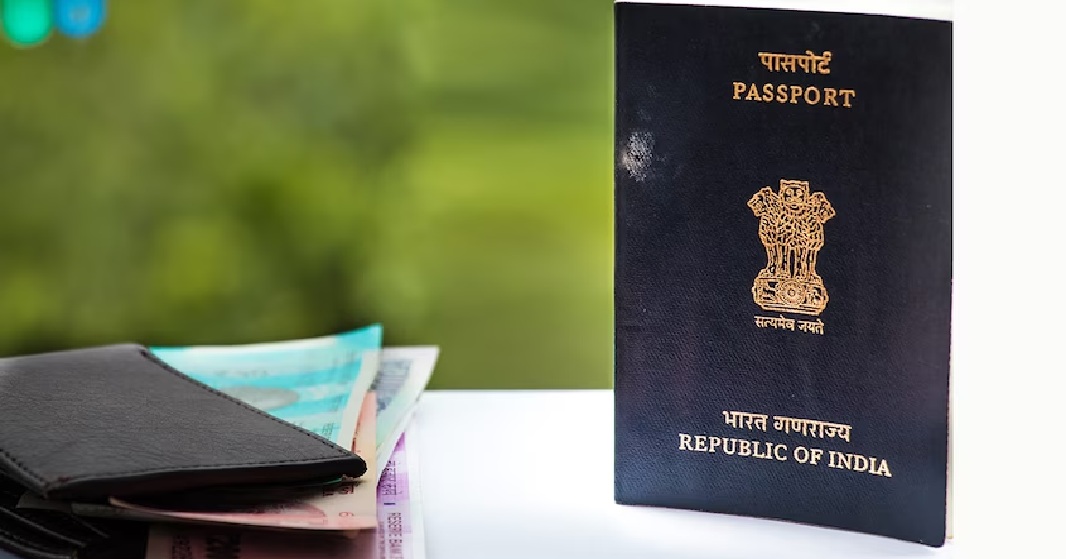
In the upcoming two months, electronic passports, commonly known as e-passports, will be introduced across the nation. The comprehensive technical assessments of these chip-embedded passports have been successfully concluded. During the initial year, the Indian Security Press in Nashik will produce 70 lakh blank booklets for e-passports. An order has been placed for 4.5 crore passports with embedded chips to be printed at the same press.
Engineered with 41 advanced attributes, the forthcoming e-passport complies meticulously with the rigorous standards laid out by the International Civil Aviation Organization (ICAO). As a result, immigration processes at airports in a staggering 140 countries can be executed within seconds. Notably, the e-passport bears an exterior resemblance to a conventional passport; however, the distinctive feature lies within a single page nestled amidst the booklet – the radio frequency identification chip.
Vital personal data and a digital security element will be found on the second page of these e-passports. This unique digital security element encompasses a ‘digital signature’ specific to each country. This element can be authenticated by each nation using its individual certificates.
The International Civil Aviation Organization currently boasts 193 member nations, all of which have embarked on the journey to implement a uniform e-passport framework. To facilitate the adoption of e-passports, cutting-edge biometric systems will be implemented at airports. This system rapidly compares the facial image stored within the passport with the live image captured during immigration processes. Given the substantial number of individuals from India pursuing overseas education and employment opportunities, the advent of e-passports is poised to serve as a valuable tool for these individuals.